Public Safety Resources

Apr 17, 2015

Adopting Agile in a Government Context

The rate of success for IT projects, as measured in time, budgets, and features, can be discouraging for government entities looking to invest in better infrastructure. By focusing on business value, identifying helpful features, soliciting client insight, and rethinking what is valuable, however, Agile software development methods are responsible for appreciably higher success rates.

Read More

Aug 21, 2014

Temperature changes may alter future law enforcement

Climate change is expected to bring radical increases in global temperatures. This shift in weather conditions can influence human behavior and affect the work of law enforcement.

Read More
Feb 20, 2014

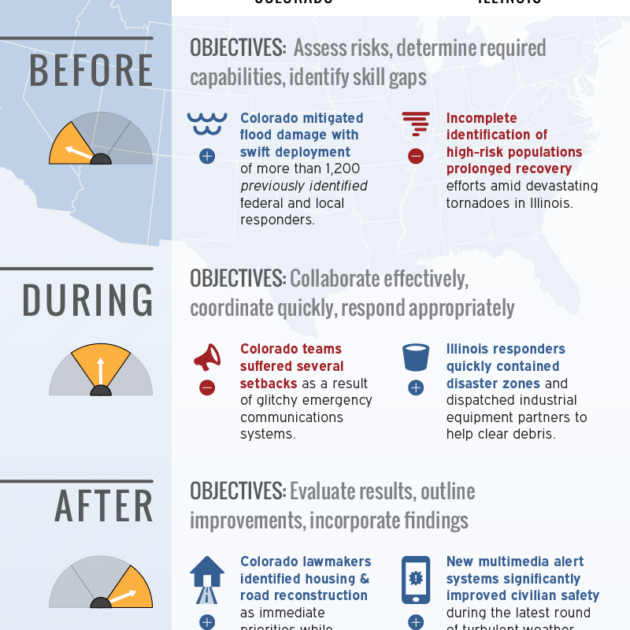
Meet disasters with ‘end-to-end’ preparedness

Disasters can strike anywhere and at any time. The process of planning for and evaluating these events, however, extends beyond the crisis in progress.

Read More
Oct 10, 2013

Assaults against first responders on the rise: Is arming personnel and stiffer penalties the solution?

We may all have this image of a firefighter or EMT carrying someone to rescue or helping a thankful citizen in our heads when we think about first responder situations. However, first responders across the nation, especially in Chicago, are saying this is not always the case.

Read More
Aug 30, 2013

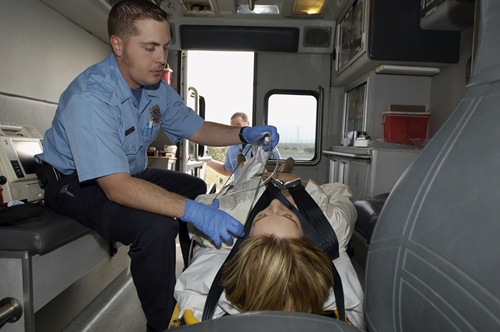
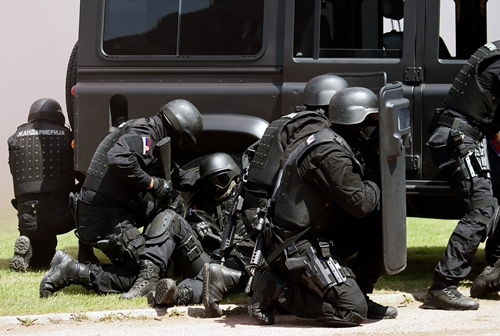
The importance of a medic in a tactical team

Since World War I, the U.S. Army and Marine Corps has officially assigned medics to units and for a very good reason. According to Tactical Medicine, research has shown that 90 percent of all battle deaths occur in the field – prior to any medical attention. The lesson taken away from this research has not been lost on law enforcement agencies.

Read More
Jun 27, 2013

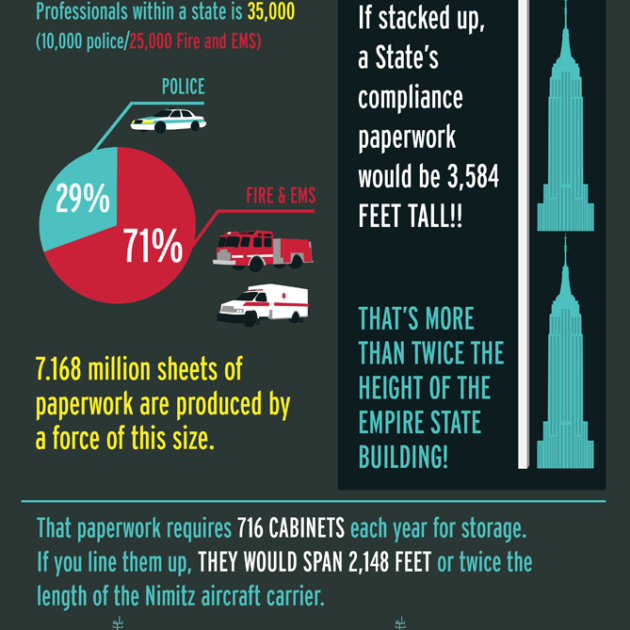
The real cost of public safety compliance

This Infographic exposes the true costs of managing compliance paperwork for Police, Fire and EMS. Using the example of a State with 35,000 public safety employees.

Read More
May 20, 2013

The importance of police ‘shoot or don’t shoot’ judgment training

The case of Zuchel v. City and County of Denver demonstrates the need for live-fire shoot and don’t shoot judgment training. In the case, the plaintiff’s son was shot and killed by a Denver police officer during a street disturbance on the night of August 6, 1985. 

Read More
Nov 1, 2010

Surviving the Perfect Storm: Ensuring Readiness with Integrated Training Technologies

In today’s volatile geopolitical environment, the demands placed on military training environments are growing exponentially. Commanders are struggling with significant resource constraints and resorting to extraordinary measures to accomplish their vital training mission.

Read More
Jul 2, 2010

An Impossible Challenge? For Corrections, Solving Complacency Starts With Culture

A worrisome issue regardless of field, the challenges inherent to employee complacency grow even more dire in the corrections industry — a field where even minor oversights can lead to serious injuries and lost lives. Worse, because it is borne from biological processes we rely on every day, there is no failsafe approach to the issue and its associated problems. By instilling a mix of cultural and procedural change, however, facilities can give themselves the best possible chance against the problem manifesting in harmful ways.

Read More
Feb 7, 2009

Striking the Balance: Security vs. Utility

Maximum security requires by definition a “closed system” whereas maximum utility requires “openness.” Is it possible to reconcile these two extremes? Can a highly secure system actually be easy to use? The security systems of the future must be highly convenient, largely transparent to end users, fully integrated across security domains, threat aware, and able to modify security policies “on the fly” in response to changing threat environments.

Read More